The Relevance of Top Quality Control in an Aluminum Foundry for Superior Products
Quality control in an aluminum foundry works as an important component in ensuring product quality. It encompasses a range of practices targeted at maintaining criteria throughout the manufacturing procedure. By executing strenuous checks and progressed technologies, foundries can successfully reduce defects and improve product reliability. The ramifications of these steps prolong beyond manufacturing. Comprehending their effect on consumer contentment and brand reputation discloses a much more complex narrative worth discovering.

Understanding Quality Assurance in Aluminum Foundries
Quality control in aluminum foundries is essential for guaranteeing the manufacturing of top notch castings that fulfill industry standards. It includes a methodical strategy to surveillance and evaluating the whole manufacturing process, from basic material choice to end product evaluation. This procedure frequently includes implementing standardized procedures and using innovative innovations, such as spectrometers and computerized assessment tools, to evaluate product buildings and discover problems.
Quality control personnel play a vital role in establishing specs and carrying out normal audits to assure conformity with safety and efficiency policies. They are liable for recognizing any kind of discrepancies from set standards and implementing corrective actions to minimize risks. Training employees on quality assurance techniques promotes a culture of liability and accuracy within the foundry. Inevitably, a robust quality assurance structure not only enhances the dependability of aluminum castings however additionally promotes consumer fulfillment and sustains the foundry's credibility within the industry.
The Function of Quality Assurance in Item Toughness
Effective high quality control procedures straight affect the sturdiness of aluminum castings. By implementing stringent checks at various stages of manufacturing, foundries can recognize and fix flaws early in the manufacturing process. This proactive approach lessens the threat of weak points that can result in item failure in the last application.
Quality assurance steps likewise include checking the make-up of the aluminum alloys and ensuring adherence to established requirements. Variants in worldly top quality can considerably influence the mechanical buildings and durability of the spreadings. Normal screening of casting methodologies, such as cooling rates and mold and mildew stability, additional assurances that the final products satisfy resilience requirements.
Secret Quality Assurance Measures in Aluminum Casting
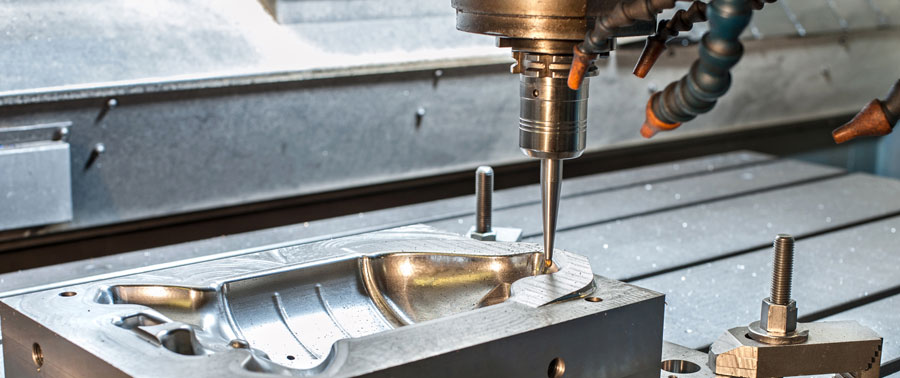
In aluminum spreading, effective quality control measures are important to guarantee item honesty. Trick components consist of extensive product inspection methods and continual process monitoring methods. These measures aid recognize possible problems early, inevitably enhancing the top quality of the last item.
Product Examination Protocols
A robust material assessment method is important for ensuring the stability of aluminum castings. This procedure commonly includes a series of systematic checks that evaluate resources before they go into the production procedure. Key steps consist of verifying the chemical structure of aluminum alloys through spectroscopic evaluation, making certain conformity with sector requirements. Visual examinations are also carried out to identify surface flaws or contaminations. In addition, metallurgical testing, such as tensile strength evaluations and microstructure evaluations, ensures the product will execute as anticipated under functional conditions. By adhering to rigorous product examination methods, foundries can minimize problems, improve item reliability, and inevitably improve customer satisfaction. This fundamental step is crucial for achieving premium aluminum castings that fulfill particular efficiency requirements.
Process Monitoring Techniques
Carrying out procedure monitoring methods is vital for keeping quality control in aluminum spreading operations. These methods involve systematic monitoring and measurement of different criteria throughout the casting procedure. Secret techniques include temperature monitoring, which ensures the molten steel goes to suitable heat for pouring, and pressure tracking throughout mold loading to stop problems. Furthermore, real-time data evaluation allows for immediate adjustments, decreasing the probability of mistakes. Visual evaluations at essential phases even more boost quality control by determining prospective flaws before they affect the final item. The assimilation of automated systems for constant tracking can improve operations, improve consistency, and eventually lead to premium aluminum castings that satisfy strict market standards. Such methods are crucial for achieving suitable efficiency and client satisfaction.
The Impact of High Quality Control on Consumer Complete Satisfaction
Quality control plays an important function in improving product dependability, which directly influences client contentment. By preserving regular performance requirements and minimizing problem rates, foundries can foster depend on and loyalty amongst their clients. This dedication to quality not just meets consumer expectations yet can additionally lead to repeat company and positive references.
Boosted Item Integrity
Although difficulties in aluminum foundries can arise from variants in procedures and products, rigorous high quality control procedures significantly improve item dependability. By implementing rigorous evaluation methods and standard testing, foundries can ensure that each aluminum item meets certain performance requirements. This positive approach lessens problems and inconsistencies, which straight impacts the sturdiness and performance of the final items. Trustworthy items not only fulfill client assumptions yet likewise foster trust in the brand name, leading to repeat service and favorable word-of-mouth recommendations. Additionally, improved integrity decreases the probability of returns or recalls, inevitably conserving expenses and boosting overall functional effectiveness. In this competitive market, maintaining high item dependability through quality assurance is crucial for sustaining consumer contentment and loyalty.
Consistent Efficiency Standards
When aluminum foundries stick to constant performance requirements, they significantly boost consumer fulfillment. By developing clear standards for high quality, these foundries assure that items satisfy customer assumptions each time. Consistency in efficiency not just constructs trust yet likewise cultivates lasting connections with customers. Customers rely on foundries to deliver products that match specified requirements, and any type of discrepancy can bring about discontentment. Regular criteria additionally make it possible for foundries to streamline their operations, decreasing the time spent on rework and changes, which benefits both the client and the maker. Additionally, the predictability in top quality permits clients to plan their projects better, knowing that they will receive reputable items promptly. To sum up, preserving regular efficiency standards is critical for achieving high levels of customer complete satisfaction.
Reduced Problem Prices
Carrying out stringent quality assurance actions substantially minimizes issue prices in published here aluminum foundries, directly boosting site here customer satisfaction. By methodically monitoring production procedures and conducting extensive evaluations, foundries can determine and fix issues prior to products get to clients. This aggressive method lessens the incident of defects, causing less item returns and grievances. As defect rates decrease, customers experience better integrity and consistency in the products they receive. This not only fosters rely on the brand yet also motivates repeat business and favorable word-of-mouth referrals. Additionally, pleased clients are much more most likely to advise the foundry to others, ultimately resulting in increased market share and success. As a result, reliable quality assurance works as a cornerstone for attaining quality in customer relationships and overall organization success.
Cost Effects of Poor Top Quality Control
Poor high quality control in an aluminum foundry can result in substantial monetary effects, as defects in products often require pricey rework or scrapping. This not just boosts production prices yet also hold-ups shipment timelines, damaging client partnerships and possibly bring about shed future contracts. Furthermore, the sources expended on malfunctioning things, consisting of labor and products, lead to diminished general performance and earnings for the foundry.
Furthermore, low quality can taint the foundry's track record, resulting in lowered market competition and a decrease in customer count on. The economic ramifications expand beyond immediate losses, as a broken track record may prevent brand-new service chances. In markets where aluminum parts are crucial, such as aerospace and vehicle, the stakes are even greater, with regulatory compliance and security considerations amplifying the expenses related to inadequate top quality control. Ultimately, the long-term sustainability of the foundry is at risk without a robust top quality monitoring system in position.
Situation Researches: Success Stories of Quality Control Execution
Effective quality assurance application in aluminum foundries has resulted in remarkable renovations in functional effectiveness and customer fulfillment. One excellent case involved a mid-sized foundry that adopted extensive quality control protocols, including real-time monitoring of melt temperature levels and material compositions. Therefore, defect prices stopped by 30%, greatly minimizing revamp prices and enhancing product integrity.
An additional success tale is a huge foundry that incorporated computerized inspection systems within its manufacturing line. This investment enabled prompt identification of non-conformities, decreasing production hold-ups and raising throughput by 20% - Casting Foundry. Customer feedback boosted too, with contentment rankings increasing as a the original source result of a marked decrease in item failings
In both circumstances, the commitment to quality assurance not just enhanced procedures however additionally strengthened the foundries' track record on the market, demonstrating exactly how calculated quality efforts can foster long-lasting success and affordable advantage in the aluminum industry.
Future Fads in High Quality Control for Aluminum Foundries
As the aluminum foundry market evolves, the combination of advanced innovations is positioned to redefine quality assurance practices. Automation and artificial intelligence will play crucial duties in boosting accuracy and effectiveness. Real-time monitoring systems, using IoT sensing units, are anticipated to offer continuous information on production processes, enabling immediate adjustments and decreasing issues.
In addition, artificial intelligence algorithms will assess historical data to predict potential high quality problems before they occur, facilitating positive steps. The adoption of electronic twins-- online reproductions of physical procedures-- will permit foundries to imitate different situations, enhancing top quality end results without disrupting real manufacturing.
Regularly Asked Inquiries
Exactly How Does Temperature Affect Aluminum Casting Top Quality?
Temperature level substantially affects aluminum casting high quality; incorrect temperatures can bring about issues such as porosity and inclusions. Preserving excellent casting temperatures ensures much better fluidness, consistent solidification, and inevitably enhances the honesty and performance of the final product.
What Accreditations Are Necessary for Aluminum Foundries?
Crucial qualifications for aluminum foundries consist of ISO 9001 for quality administration, ISO 14001 for ecological monitoring, and AS9100 for aerospace criteria. These certifications assure compliance, improve item integrity, and show dedication to quality and sustainability.
How Frequently Should High Quality Control Audits Be Carried Out?
Quality control audits must be performed consistently, preferably quarterly, to ensure regular product requirements (aluminum casting company). The frequency may differ based on manufacturing volume, previous audit results, and specific sector guidelines or customer demands.
Can Environmental Elements Influence Casting Quality?
Yes, environmental variables can greatly affect casting high quality. Variables such as air, temperature level, and moisture structure impact steel residential or commercial properties and mold and mildew actions, potentially leading to issues and inconsistencies in the last aluminum items generated.
What Role Does Worker Training Play in Quality Assurance?
Worker training is vital for quality assurance, as it furnishes workers with crucial abilities and knowledge. Trained workers can identify flaws, follow treatments, and add to consistent manufacturing requirements, eventually boosting general item high quality.
Quality control in an aluminum foundry serves as a crucial component in ensuring product quality. In aluminum casting, efficient quality control measures are important to ensure item integrity. Quality control plays a vital role in enhancing product integrity, which directly affects consumer complete satisfaction. Challenges in aluminum foundries can emerge from variations in materials and processes, stringent quality control procedures considerably enhance product reliability. Poor high quality control in an aluminum foundry can lead to significant economic repercussions, as issues in items frequently necessitate expensive rework or scrapping.